
About the Cape Floristic Region Partnership
The Cape Floristic Region Partnership has its origins in the Cape Action for People and the Environment (CAPE). The CAPE partnership was a collaborative initiative established to conserve the biodiversity of the Cape Floristic Region (CFR) in South Africa, recognised as one of the world’s biodiversity hotspots. Launched in the late 1990s and formalised in 2000, CAPE brought together government agencies, NGOs, academic institutions and local communities with the shared aim of preserving the unique flora and fauna of the CFR while promoting sustainable socio-economic development.
CAPE's vision and objectives
The partnership aimed to integrate biodiversity conservation with economic and social development, focusing on critical aspects such as habitat protection, sustainable land use and community engagement. CAPE worked on landscape-level conservation planning, protected area expansion, ecological management and restoration projects, ensuring that the CFR’s natural resources benefited both the environment and local people.
Key achievements
CAPE’s multi-stakeholder approach led to significant milestones, including expanding protected areas, developing biodiversity management practices and fostering community participation in conservation efforts. The partnership served as a model for balancing conservation with human well-being, showcasing innovative stewardship programmes and capacity-building projects.
(2020-2021)
The CAPE Legacy Project
The CAPE Legacy Project emerged as an extension of the CAPE Partnership, aimed at sustaining and building upon the successes of the original initiative. This project focused on consolidating lessons learned, scaling up effective conservation strategies and ensuring long-term impacts. It sought to maintain the momentum of collaborative partnerships, while strengthening local and regional conservation governance frameworks and laid the groundwork for the development of the Cape Floristic Region Partnership (CFRP).
About the Cape Floristic Region Partnership |
In June 2022, the Cape Floristic Region Partnership was officially launched through funding support from the Table Mountain Fund. We set out a new vision for the CFR Partnership:
A collaboration that secures a resilient Cape Floristic Region, where its unique biodiversity is conserved, delivering benefits for all.
And we developed a new mission:
To champion the protection, sustainable use and effective management of the natural heritage of the Cape Floristic Region through an informed, connected and diverse partnership.
WHAT WE DO
Our cross-cutting themes are drawn from the CAPE Legacy Project:

Support the government in its mandated functions, while government provides strategy, coordination of inter-departmental biodiversity management, and offers partnership opportunities.

Cultivate mutual support and collective action across landscapes and sectors, upscaling projects, and connecting people and programmes.

Measure, reflect, learn and adapt: adopt a strategy for prioritised and incentivised action, building research capacity to bridge the research-conservation practice gap, and allowing for monitoring, evaluation, learning, and growth from lessons learned.

Transform: be deliberate and intentional in incorporating structural elements to support transformation and diversification, bringing in other sectors and communities.
To date, a number of working groups have been set up and are active:
MEET THE TEAM
In order to convene, champion and administrate this new collective, a coordinating role was established. With funding support from the Table Mountain Fund (an associated Trust of WWF South Africa), through their Care Programme, two organisations took on the job: BirdLife South Africa (represented by Giselle Murison) and Conservation Outcomes (represented by Sarah Hulley). They are overseen by a committee, made up of representatives from partner organisations.
Our 2025 Committee
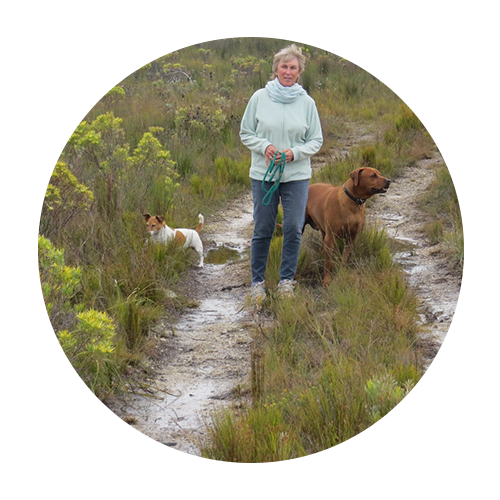
Lesley Richardson (Chairperson)
Chairperson, Agulhas Biodiversity Initiative
Lesley says, “The CFRP offers the best opportunity to maintain the gains – the structures, networks, expertise and impacts – of the CAPE biome- and landscape-wide initiatives of the past 20 years. The CFRP’s deliberate move towards engaging with other sectors, such as community-level organisations and citizen scientists, the corporate sector, the finance and investment sector, as well as government, fills me with the hope that we can deal with the threats to the wonder, the biodiversity and the ecosystems of the CFR.”
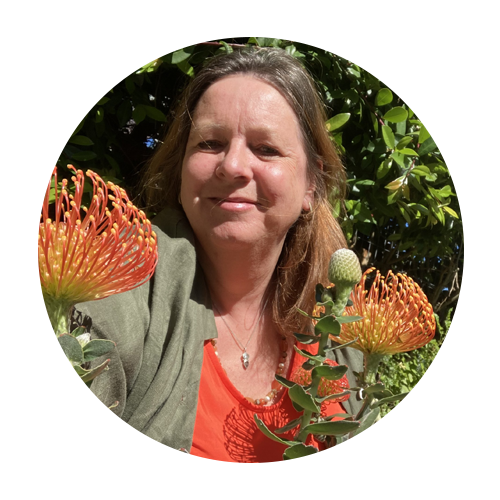
Val Charlton (Vice-Chairperson)
Director, Landworks
Val says, “Collaboration among like-minded individuals and organisations is critical for us to address climate change and the challenges of conserving the CFR. We need all hands on deck!”

Richard Cowling
Emeritus Professor, Nelson Mandela University / Friends of St Francis Nature Reserves
Richard says, “The Partnership has the potential to galvanize volunteerism and funding for conservation action across the CFR.”
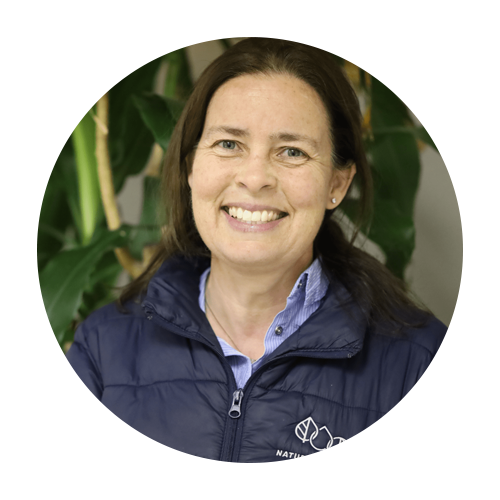
Lynette Munro
Conservation Partnership Facilitator, Nature Connect
Lynette says, “Nature Connect believes in partnerships to achieve its vision of getting the people of Africa to love and protect nature. The Nature Care Fund programme within Nature Connect aims to influence land transformation processes, engage with communities, and drive conservation and restoration projects to protect nature in the urban and peri-urban environment. This goal is fully aligned with the CFRP.”
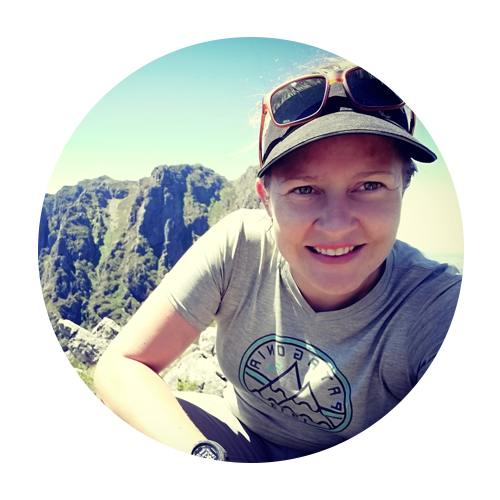
Martina Treurnicht
Chairperson, The Fynbos Forum NPC / Conservation Project Manager, Botanical Society of South Africa
Martina says, “The CFRP is a valuable partnership-driven legacy for the Cape Floristic Region. It is a landscape-based initiative focused on building partnerships and sourcing funding for sustainable conservation across the CFR. The CFRP offers value by aligning ecological, economic and social goals in a unified approach, and the already-established working groups are key to achieving this.”

Anita Wheeler
Conservation Stewardship Specialist, CapeNature
Anita says, “The CFRP is an overarching structure that stretches beyond just pure conservation. It binds organisations in the CFR together that, as a part of the whole, have either a vested interest or impact on the biodiversity of the Western Cape. The CFRP brings these organisations/partners together to find solutions and make an impact together.”